Old Wine in a New Bottle? The Growing Murmur Around the New Cabinet
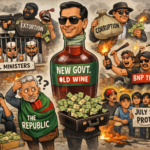
The dust has barely settled on the “Monsoon Revolution” of 2024, yet the air in Dhaka is already thick with a familiar, suffocating sense of déjà vu. Across social media feeds, late-night TV talk shows, and the heated circles of tea-stall discussions, a singular, piercing suspicion is taking hold: Has the blood of our students been traded for the same old faces of corruption?
As the interim period concluded and Tarique Rahman took office as Prime Minister on February 17, 2026, a semblance of hope for a “New Bangladesh” emerged. The youth-led uprising that toppled the 15-year Awami League regime wasn’t just about changing a name at the top; it was a demand for a fundamental cleansing of the political stable. However, as the list of ministers, deputy ministers, and executive appointments trickles out, that hope is curdled into scepticism.
The Return of the “Shadows”
The primary grievance lighting up Facebook and X (formerly Twitter) isn’t just about party affiliation—it’s about criminality. Investigative journalists and digital activists are drawing attention to a concerning trend: a number of high-ranking members of the new council of ministers possess a background that resembles a criminal record.
-
The “Radar” of the Law: There are persistent allegations that at least two individuals in the cabinet have documented criminal pasts, ranging from historic thug-culture involvement to more serious accusations.
-
The Loan Defaulter Pandemic: Despite promises to fix the banking sector, social media is rife with “evidence” that key executive positions are being filled by notorious loan defaulters—the very “crony capitalists” the revolution sought to uproot.
-
A Failure of Vetting: The most painful irony for the youth is the inclusion of figures linked to past violence. How is this government different from the last if the new leaders are “thugs” or “extortionists”?
A Betrayal of the Uprising?
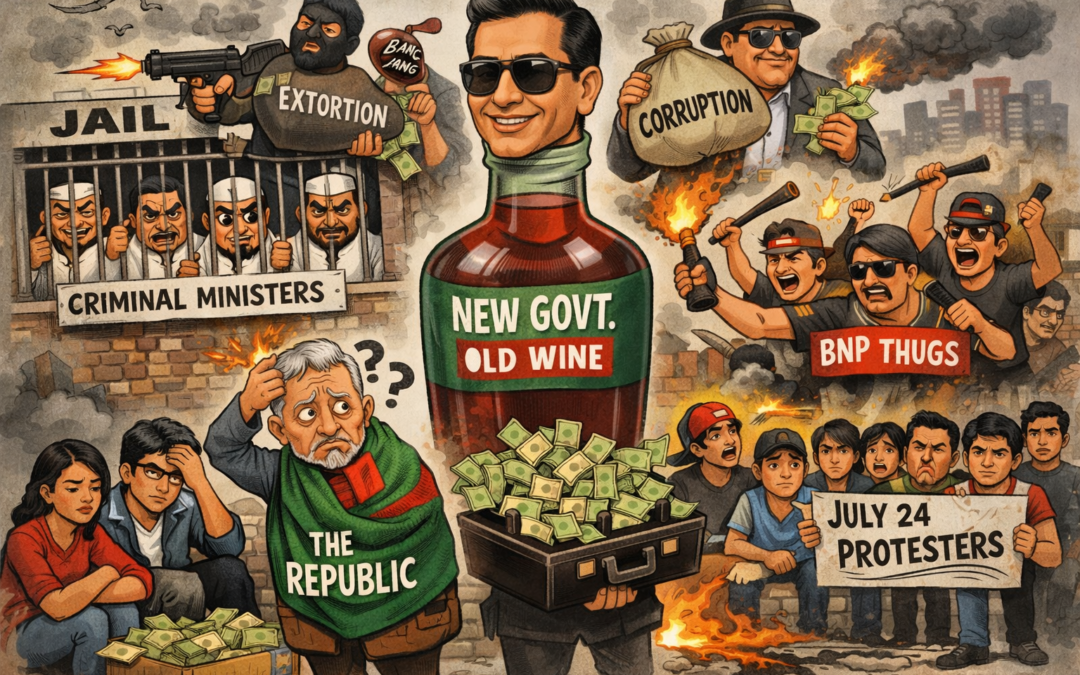
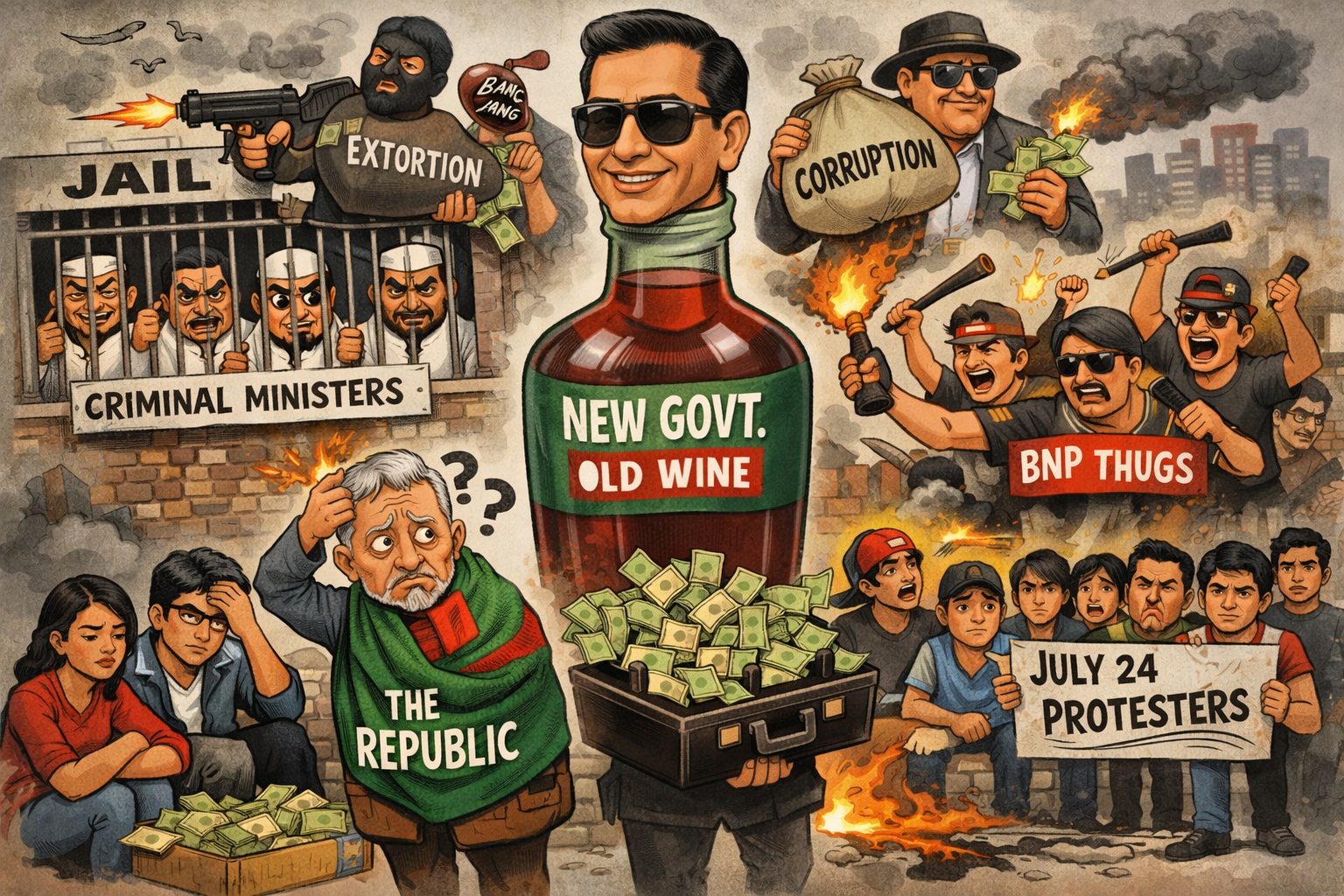
The expression “old wine in a new bottle” is gaining popularity for a valid reason. Critics argue that the BNP-led government is simply reinstating the same patronage networks that existed decades ago. While the Awami League’s “fascism” (as labelled by the new administration) has been dismantled, the replacement of one set of “strongmen” with another feels like a betrayal of the Gen-Z spirit that defined the July 2024 protests.
TV chat shows are increasingly hosting constitutional experts who warn that if the “law of the land” is ignored during the appointment phase, the judiciary will remain a puppet of the executive. The “July Charter” promised accountability; instead, we see a cabinet where some members appear to be hiding behind their portfolios to evade pending legal scrutiny.
The Crossroads
Bangladesh is currently situated at a precarious juncture. If Prime Minister Tarique Rahman intends to lead a truly “responsible government,”, he must address these suspicions head-on. A government that shields murderers, rapists, or financial predators cannot claim the mandate of a revolution built on “Justice and equality.”.
The youth did not face bullets to see the return of the “Godfather” culture. They wanted a meritocracy. Should we fail to purge this cabinet of its controversial elements, the same forces that paved the way for this government could potentially turn against it.
WILL THE JULY 2024 PROTESTERS REMAIN SILENT, OR
IS THE VOLCANO ONCE AGAIN GOING TO ERUPT?